Transforming Lives: The Impact of Médecins Sans Frontières on Global Health and Humanitarian Aid
In a world where health disparities often determine life or death, Médecins Sans Frontières (Doctors Without Borders) stands as a beacon of hope and humanitarian aid. Founded in 1971 by a group of doctors and journalists, this non-governmental organization has taken the principles of medical outreach and disaster relief to new heights. With their innovative approach to emergency healthcare, they redefine care not only through treatment but by addressing the root causes of health inequity globally. Have you ever wondered what true compassion in the face of crisis looks like? Let’s delve into the incredible transformations brought about by this charitable organization.
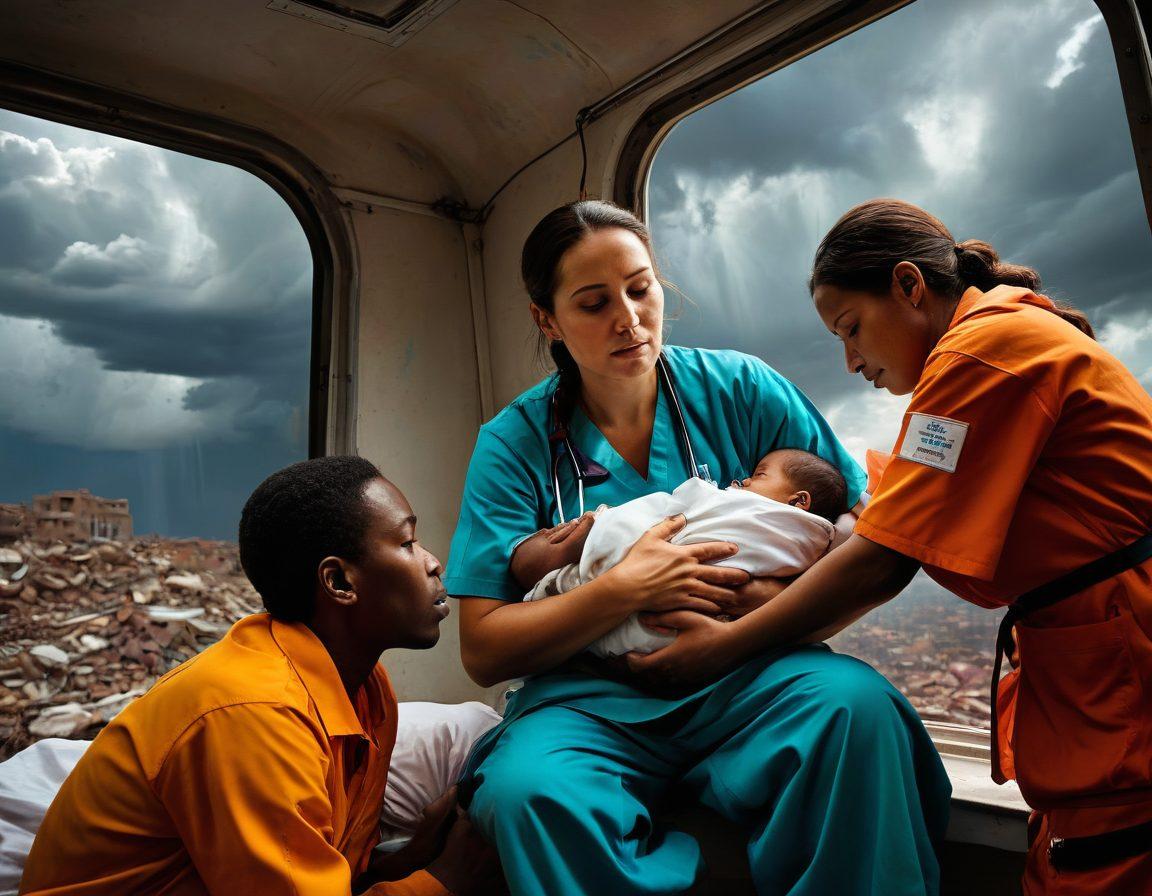
Imagine a war-torn landscape, filled with fear and uncertainty. There, amidst the chaos, aid workers from Médecins Sans Frontières tirelessly deliver healthcare services to communities that have been brutalized by conflict. Their commitment to field healthcare exemplifies resilience, reminding us that even in dire circumstances, humanity can prevail. As one of their volunteers poignantly stated, "Every bandage, every medicine, is stitched with hope." This sense of hope is infectious, and it permeates the hearts of those they serve, allowing lives to be stitched back together, one patient at a time.
Médecins Sans Frontières excels in crisis intervention, swiftly deploying medical missions to areas ravaged by disease outbreaks, natural disasters, or armed conflict. Think of the Ebola outbreak in West Africa, where their teams worked on the frontlines, providing crucial public health services that saved countless lives. Each mission serves as a testimony to their commitment to global health. Have you ever considered the impact one organization can have in the midst of such adversity? With each deployment, they are not just offering aid; they are weaving a narrative of resilience and recovery that inspires communities to stand tall despite the odds.
In a time when philanthropy is more important than ever, the role of Médecins Sans Frontières cannot be overstated. Their philanthropic endeavors extend beyond immediate medical assistance to encompass long-term support programs aimed at current and future health equity. It’s not simply about Band-Aids and clinic checkups; it’s about re-empowering communities. Their approach resonates with the very essence of community health—working collaboratively with local populations to create sustainable solutions that promote health and well-being. Rather than simply dictating care, they share knowledge and resources, ensuring communities are equipped for future challenges. Isn’t it powerful when aid leads to autonomy?
Ultimately, volunteering with organizations like Médecins Sans Frontières not only transforms the lives of those receiving care but deeply impacts and rejuvenates the spirits of the volunteers themselves. The stories of courage, compassion, and resilience experienced during missions foster a renewed sense of purpose, compelling many to advocate for social impact even beyond their involvement. Have you ever thought about how giving a little can change so much? Through their relentless drive and unparalleled dedication, Médecins Sans Frontières continues to redefine care and revolutionize the landscape of global health services. Their ethos confirms one truth: where there is compassion, there is hope.
Heroes in Action: The Role of Aid Workers in Delivering Life-Saving Humanitarian Aid
In a world where crises unfold at a breakneck pace, the unsung heroes often working behind the scenes are the aid workers of Médecins Sans Frontières, also known as Doctors Without Borders. These dedicated individuals venture into the most dangerous and remote corners of the globe, armed not only with medical expertise but with courage, compassion, and a commitment to health equity. Have you ever pondered what it takes to deliver critical humanitarian aid in war-torn areas or disaster-struck regions? Let’s explore the incredible stories of these professionals and the vital role they play in promoting global health.
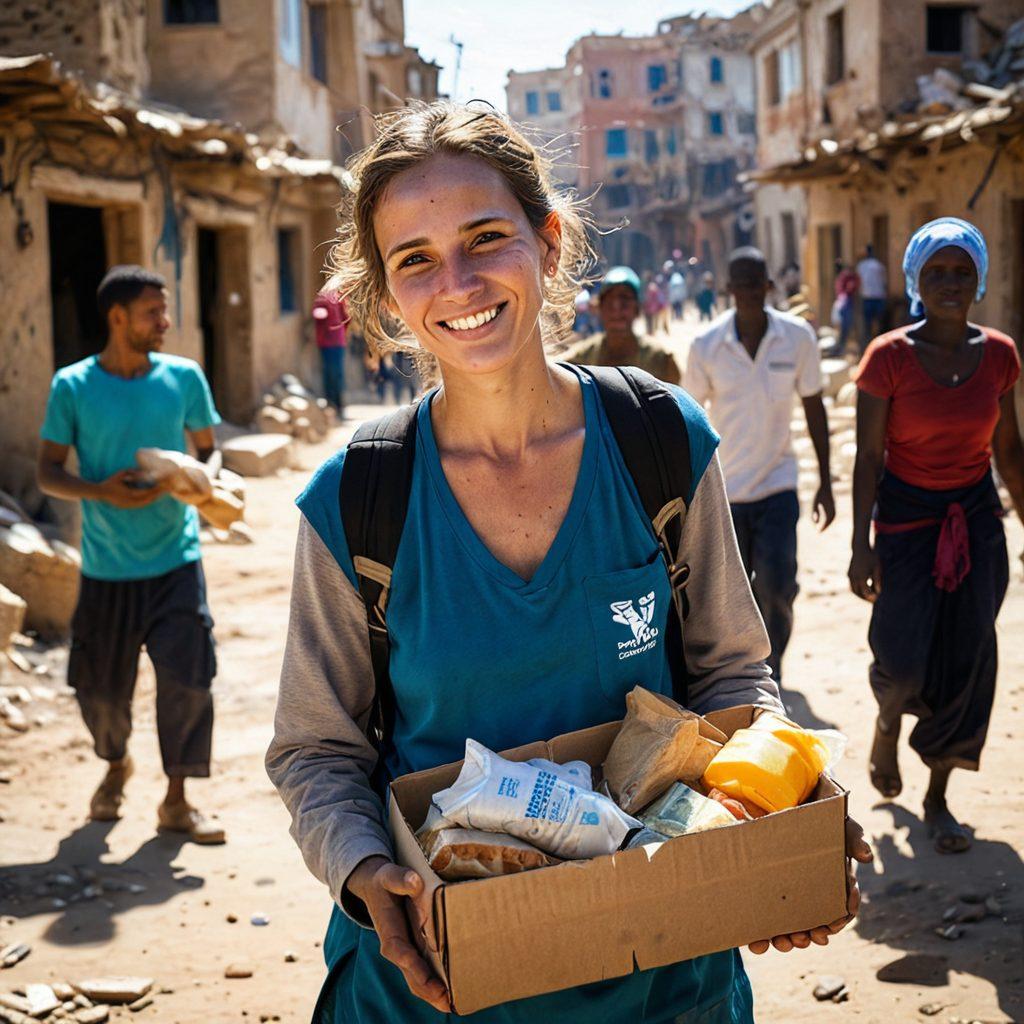
Imagine being on the front lines of a refugee camp where thousands are seeking refuge. The sights and sounds are overwhelming, and every person you meet has a story of heartbreak and resilience. This is the daily reality for aid workers, who navigate precarious situations to provide emergency healthcare, medical outreach, and other essential health services. One such worker, thundering through the chaos with a defiant sense of purpose, once said, "Every life matters. Every second counts." Their belief that health is a human right fuels their relentless pursuit of disaster relief and crisis intervention, transforming lives in ways we can only begin to comprehend.
The work of non-governmental organizations like Médecins Sans Frontières relies heavily on the selflessness of volunteers—those who choose to turn compassion into action. Each medical mission they undertake is not just an assignment but a commitment to fighting injustice and improving public health in communities that need it the most. The personal stories of aid workers resonate deeply; they often share moments when their hearts overflow with hope as they witness a community coming together, defying the odds against health disparities. There’s a palpable sense of social impact that keeps them motivated, even under the most challenging conditions.
But the question remains: how do aid workers manage the emotional toll that comes with their line of work? The challenges they face can be monumental—long hours, high-stress situations, and the weight of watching others suffer. Yet, amidst this chaos, there lies an incredible strength. Many have forged lasting relationships with the communities they serve, investing in community health and fostering robust support programs. The bonds built during these deployments often transform into lifelong friendships, creating not only a network of international aid but also a family devoted to upliftment and resilience.
The role of aid workers in delivering life-saving humanitarian aid is indeed heroic and life-affirming. Each story of survival, each life saved, and every community strengthened serves as a testament to the power of philanthropy and collective action. These individuals are proof that, with enough determination and compassion, the world can be transformed for the better, one heartbeat at a time. As we continue to hear their stories, we are reminded that volunteering is not just an act of charity; it is a crucial stepping stone toward achieving health equity on a global scale. So, what can we do to support these heroes in action? Every small step towards awareness can help ignite conversations and inspire others to contribute to medical missions and aid relief efforts.
Empowering Communities: The Lasting Effects of Medical Missions on Health Equity and Social Impact
In a world where health disparities are glaring, one organization stands tall, tirelessly working to bridge the gap between privilege and plight. Médecins Sans Frontières, or Doctors Without Borders, has become synonymous with humanitarian aid and dedication to lifesaving services. But what goes into transforming not just a single life, but whole communities? The answer lies in the lasting effects of medical missions that extend beyond immediate health services, fostering health equity and leading to social impact. So, how have these medical missions shaped our global health landscape?
Picture this: a small village ravaged by a natural disaster, the streets lined with despair and hopelessness. Amidst the chaos, aid workers from Médecins Sans Frontières arrive, bringing with them not just medical supplies, but a sense of hope. Through their compassionate outreach, they deliver emergency healthcare and crisis intervention to those who need it most. This is far more than just a one-time act of charity; it’s about empowering communities and nurturing resilience. Wouldn't you agree that every life saved carries a ripple effect on the overall health of a community?
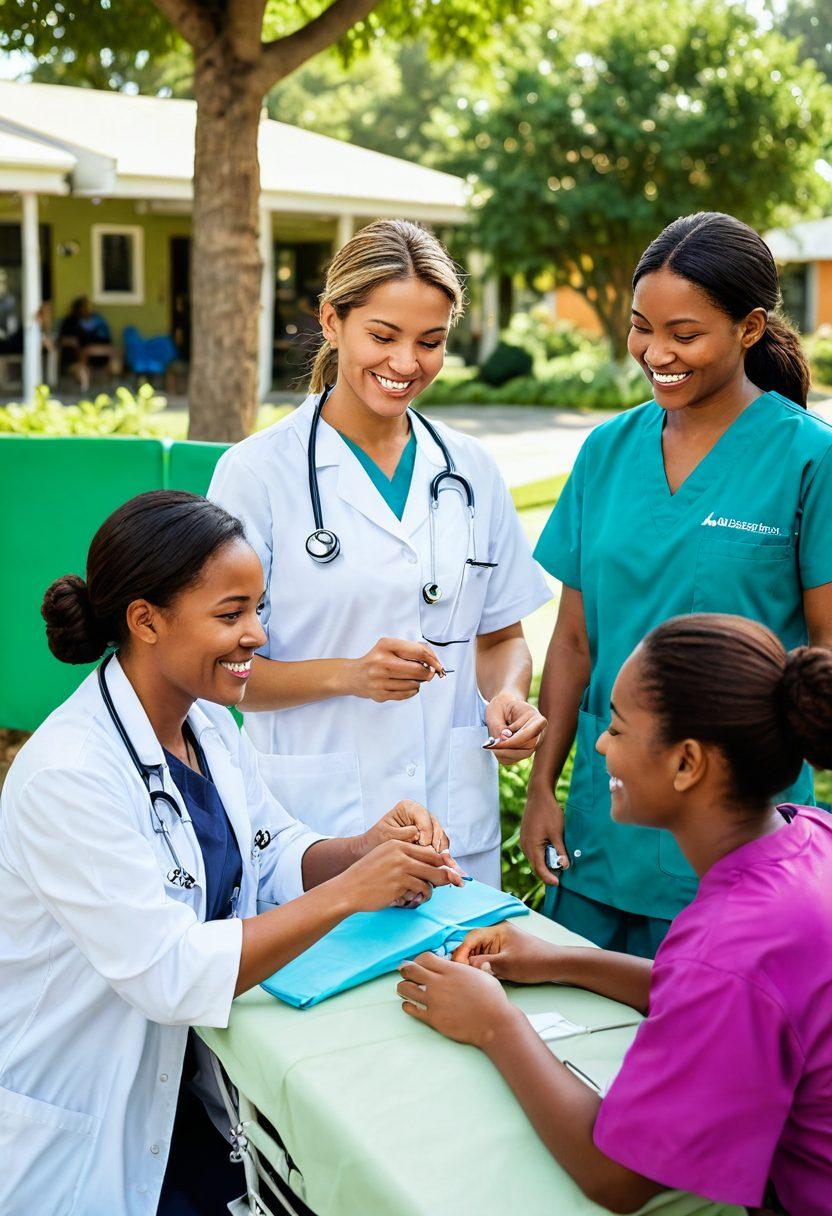
These medical missions serve as a platform for public health education and sustainable support programs that stimulate growth and self-sufficiency. Volunteering with a charitable organization such as Médecins Sans Frontières not only offers aid workers the chance to witness the profound impacts of their efforts firsthand, but also provides the opportunity for these communities to learn to take care of themselves. Imagine introducing preventive health measures in a region plagued by infectious diseases—this is where health equity begins, creating a healthier future for generations to come.
Social impact is not a buzzword; it’s a reality grounded in the everyday work of Doctors Without Borders. By prioritizing the most vulnerable populations, including refugees and those in war-torn regions, Médecins Sans Frontières champions the idea that every human being deserves access to quality healthcare. Have you ever considered how our collective philanthropy can champion the cause of international aid? When communities become vocal advocates for their health rights, the transformation is profound. It’s a testament to the belief that health is a universal right, not a privilege bestowed upon the few.
As we reflect on the powerful effects of these medical missions, it’s clear that the legacy of Médecins Sans Frontières continues to thrive in the spirit of service and humanity. The stories of lives saved, knowledge shared, and communities uplifted are just the beginning. Future generations of health care professionals inspired to serve on the front lines will cultivate a culture where health services are accessible and equitable. Will you join this movement toward transformative global health and social impact? Remember, each action contributes to a larger narrative, and together, we can foster a healthier world.